

Why Innocent People Plead Guilty
It sounds shocking: someone who didn’t commit a crime admitting guilt. Yet this happens more often than people realize. Plea bargains and criminal court pressures can lead innocent people to plead guilty to avoid worse outcomes. It’s a complex, high-stakes world where fear, risk, and practicality sometimes outweigh truth, even when morality and conscience scream otherwise. Understanding why this happens helps illuminate serious flaws in the legal system and human behavior.
The Pressure of Plea Bargains
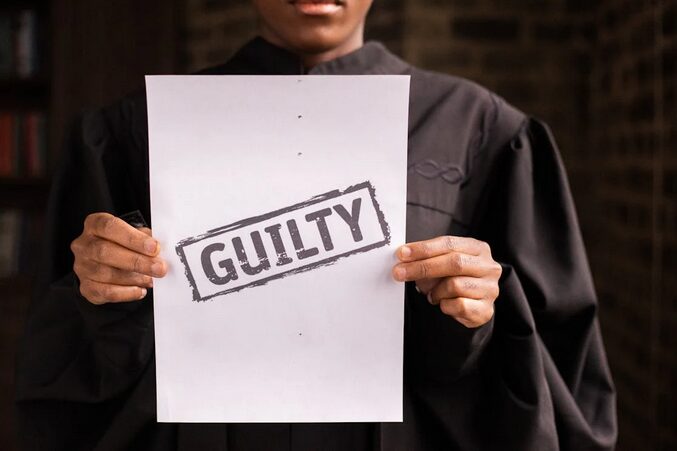
Plea bargains are a cornerstone of the legal system, with over 90% of criminal cases resolved this way. Prosecutors often offer significantly reduced sentences if the accused pleads guilty, but the alternative is risking a trial with potentially harsher consequences. For someone facing years in prison—even if innocent—the “guaranteed” shorter sentence can feel like the safest choice. It’s a grim calculation, but fear of uncertainty drives many innocent defendants to admit guilt.
The Fear of a Trial
Trials are intimidating, expensive, and unpredictable. Even with a strong case, the possibility of a biased jury, aggressive prosecution, or unexpected evidence can be terrifying. For someone who lacks legal experience or confidence, pleading guilty might seem like a safer path than gambling on a trial. In this sense, the decision is less about guilt and more about survival.
Limited Legal Resources

Many innocent defendants rely on public defenders who are overworked and underfunded. When a lawyer has dozens of cases and limited time to dedicate to one, defendants may not get the guidance or resources they need. Without proper support, navigating the complexities of the legal system can feel impossible, making a plea deal appear like the only viable option—even if it means admitting to something they didn’t do.
Misjudging the Odds
Psychologically, humans are bad at evaluating risk under stress. Facing the threat of a long sentence or expensive trial, even the innocent can overestimate the likelihood of conviction or punishment. When the fear feels immediate and tangible, the long-term principle of “I’m innocent” may take a backseat to a practical instinct: minimizing potential harm right now.
Emotional and Mental Strain

Criminal charges are emotionally draining. Anxiety, depression, and hopelessness can cloud judgment. In some cases, defendants plead guilty simply to end the stress and uncertainty of ongoing legal battles. The pressure to survive emotionally can outweigh the desire to maintain innocence, leading to decisions that feel necessary in the moment.
Systemic Factors and Inequities
Socioeconomic status, race, and education can all influence how defendants experience the justice system. Marginalized individuals may face harsher penalties, biased assumptions, and fewer resources. These systemic inequities make innocent people disproportionately likely to plead guilty as a defensive strategy, highlighting flaws that go beyond individual choice.
Pleading guilty while innocent is rarely a simple choice. Fear, pressure, lack of support, and systemic flaws all contribute to decisions that feel safer than they are morally straightforward. While the legal system assumes people act in their best interest, the reality is far more complicated. Understanding these pressures reminds us that innocence isn’t always enough to navigate a system built on risk, negotiation, and survival. The story of why innocent people plead guilty is a cautionary tale about law, society, and human psychology.